
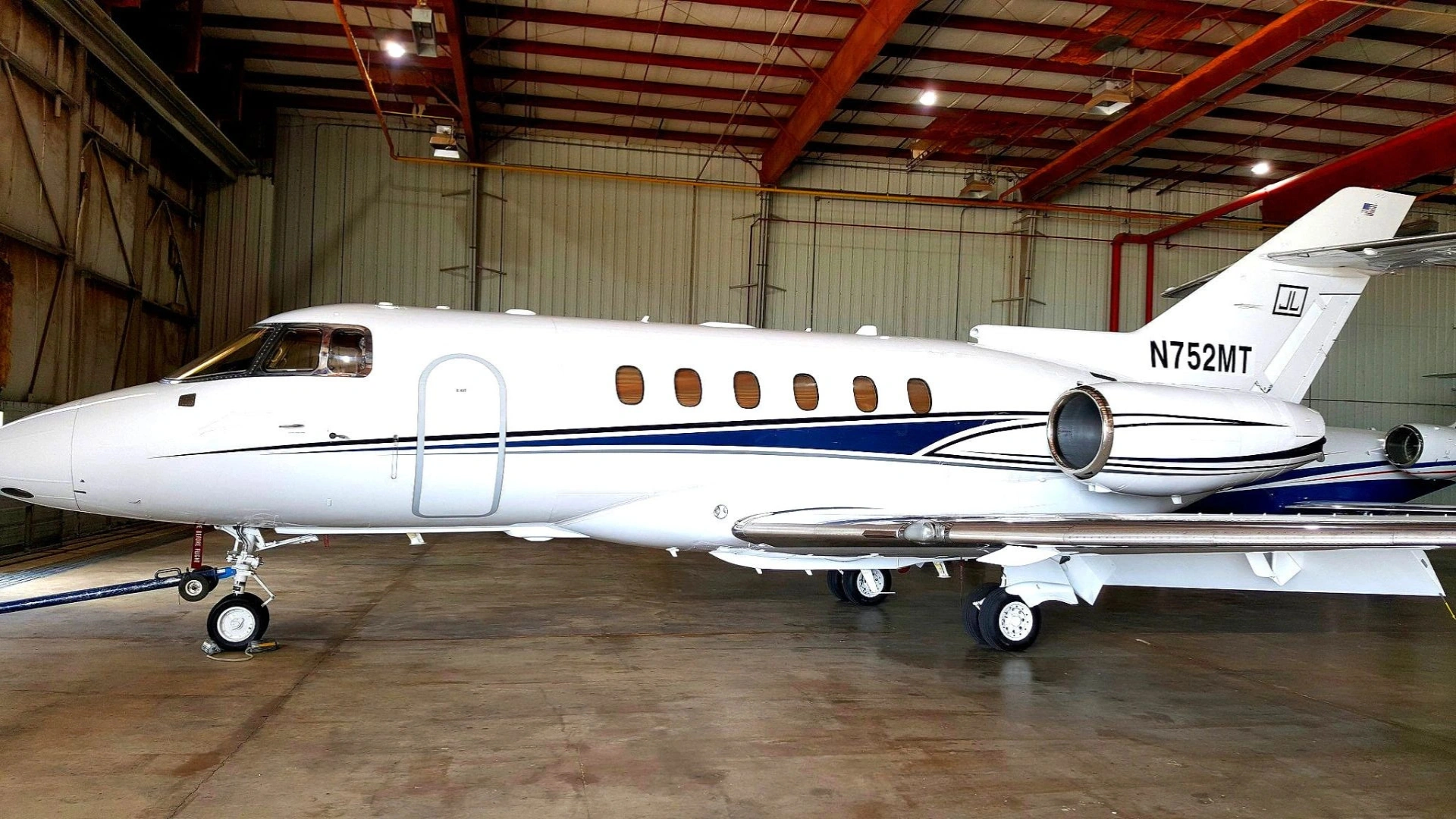
In aviation, your aircraft’s exterior is more than just a pretty surface—it’s integral to performance, efficiency, and safety. From harsh UV rays to corrosive moisture, the exterior of your plane faces many threats that can damage it over time. Whether you’re an aircraft owner in California, Florida, or Texas, ensuring your plane stays in optimal condition is crucial for extending its lifespan and maintaining its performance. This guide provides expert tips and best practices for protecting your aircraft’s exterior, ensuring that it not only looks great but also performs at its best for years to come.
Why Protecting Aircraft Exteriors is Essential
Maintaining the exterior of your aircraft isn’t just about aesthetics—it’s about ensuring its long-term performance, safety, and value. Below are the critical reasons why you should prioritize aircraft exterior care.
1. Combat Environmental Stressors
Aircraft are exposed to a variety of harsh environmental conditions, which can degrade their exterior if not properly protected:
-
UV Radiation: In sunny states like California, Arizona, or Texas, aircraft are subjected to harsh UV rays during high-altitude flights. Over time, this exposure can cause paint to fade and protective coatings to degrade.
-
Moisture & Precipitation: In humid regions such as Florida or Washington, rain, snow, and humidity contribute to corrosion, particularly around joints, rivets, and the undercarriage of the plane.
-
Temperature Fluctuations: Areas with drastic temperature changes, such as Montana or Colorado, cause the materials of the aircraft to expand and contract, leading to potential cracks in the exterior.
-
Airborne Contaminants: Airborne chemicals, pollutants, and other pollutants can affect the aircraft’s surface, especially in industrial areas like Los Angeles or Chicago, which may speed up wear and discoloration.
2. Minimize Maintenance Costs
Failing to care for your aircraft’s exterior can result in costly repairs and loss of efficiency:
-
Repair Costs: Small cracks or chips can escalate into costly repairs, particularly in coastal regions like San Diego, where saltwater corrosion is a risk.
-
Decreased Performance: Deteriorating exteriors lead to inefficiencies, potentially causing a 1-2% increase in fuel consumption, especially during takeoff and flight in regions like Chicago or Denver, where atmospheric conditions may vary.
-
Resale Value Impact: Regular exterior maintenance can boost your aircraft’s resale value by 10-15%, especially in markets like New York or Miami, where well-maintained planes command higher prices.
3. Maintain Aesthetic Appeal
While functionality is key, maintaining the look of your aircraft also has a significant impact:
-
-
First Impressions Matter: Whether you’re operating a commercial airline or a private jet, a clean exterior leaves a positive impression. Business clients or passengers will appreciate the attention to detail.
-
Pride of Ownership: For private plane owners, maintaining a flawless exterior reflects commitment to quality and a passion for aviation.
-
Professionalism: Business aviation fleets in cities like Dallas or Atlanta must maintain aircraft exteriors in pristine condition to project a professional image to clients and partners.
-

Expert Tips for Protecting Aircraft Exteriors
Here are expert tips to help you maintain the exterior of your aircraft, whether you’re flying in California, Florida, or Texas. Aircraft exteriors are essential for ensuring longevity, performance, and aesthetic appeal.
1. Regular Cleaning: Essential for Longevity
-
Frequency: Clean your aircraft every 2-4 weeks, depending on the environmental conditions. For instance, in coastal areas like San Francisco, cleaning might need to be more frequent due to saltwater exposure. Regular cleaning plays a crucial role in preventing aircraft exteriors from long-term damage.
-
Cleaning Techniques: Use aviation-grade, pH-neutral cleaners and soft cloths or sponges to prevent scratching the surface. It’s important to use the right products to ensure you’re effectively cleaning aircraft exteriors without causing additional harm.
-
Focus Areas: Pay special attention to areas like wheel wells, flap tracks, and the aircraft’s undercarriage. These areas tend to collect dirt and grime, especially during flight. Regularly cleaning these spots is a key step in protecting aircraft exteriors.
2. Apply Quality Wax or Sealants
-
Aviation-Specific Products: Use only aviation-grade waxes and sealants that can withstand the harsh conditions of high-altitude flight. Products that are formulated to handle temperature extremes, such as those used in Arizona and Nevada, are recommended. These products help in protecting aircraft exteriors against the harsh elements planes face.
-
Frequency: Apply wax every 3-4 months or more often if the plane is stored outdoors. In California or other sunny states, consider waxing more frequently to protect from intense UV exposure. Frequent waxing is a significant part of protecting aircraft exteriors from UV damage.
-
Application Techniques: Follow the manufacturer’s guidelines to apply the wax evenly, or seek professional help to ensure a flawless finish.
3. Regular Inspections to Catch Early Damage
-
Monthly Inspections: Include thorough exterior checks in your monthly routine, especially after flights in regions prone to harsher weather like Florida or Colorado. Consistent inspections are essential for protecting aircraft exteriors by catching issues early.
-
Professional Checkups: Book an annual inspection with aviation professionals to identify issues that might be overlooked in regular checks. These checks can catch hidden damage before it becomes more severe, ultimately contributing to protecting aircraft exteriors over time.
4. Proper Storage and Parking Techniques
-
Hangar Storage: Whenever possible, store your plane in a climate-controlled hangar to protect it from moisture, UV exposure, and temperature fluctuations. This is particularly important in areas like California or Texas. Storing your aircraft properly is crucial for protecting aircraft exteriors from environmental damage.
-
Use Aircraft Covers: If outdoor storage is unavoidable, invest in high-quality, breathable covers specifically designed for your aircraft’s model. This will prevent UV damage and minimize exposure to contaminants, providing an added layer of protection for aircraft exteriors.
-
Strategic Parking: Position the aircraft in the best possible spot to minimize exposure to harsh weather, especially in high-sun areas like Las Vegas or Phoenix. Proper parking techniques play an essential role in protecting aircraft exteriors from the elements.
Our services
Conclusion: Keeping Your Aircraft Exterior in Top Shape
Protecting the exterior of your aircraft is crucial for maintaining its performance, efficiency, and resale value. Regular cleaning, application of quality wax or sealants, and inspections are all essential steps in the care of your aircraft. If you’re based in high-UV areas like Arizona or California, special attention to UV protection is a must. For those in coastal or humid regions like Florida, cleaning and corrosion prevention are top priorities.
Jet Pro Finish specializes in aircraft exterior protection, offering services tailored to your specific location and needs. Whether you’re based in California, Texas, or Florida, our team of experts will help you keep your aircraft in pristine condition, ensuring it continues to perform at its best.